Written by the Pro-Tow Team
Serving Kent, Auburn, Maple Valley and Spokane, Washington
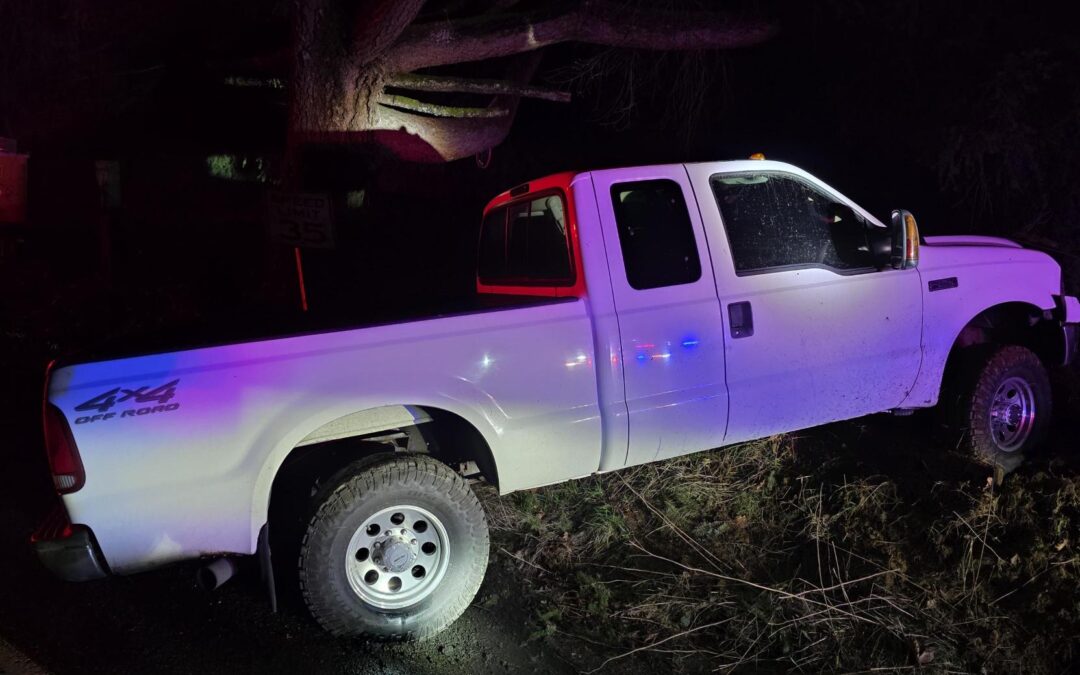
When we’re called to tow a vehicle, it’s not always a simple hook-up and tow. Like this vehicle recovery in Kent, Washington, they often involve unpredictable terrain, damaged vehicles, traffic hazards and sometimes bad weather.
In a recent call, Pro-Tow by FleetEasy had to make split-second decisions and persevere through a challenging accident recovery. That’s why thorough training, experience, problem solving skills and the right equipment are so important for this job.
Here’s what happened:
A Collision That Wasn’t There
The recovery started with a dispatch for a Ford F-250 collision. The operator responded immediately, but upon arrival, there were no deputies on scene and no vehicle at the reported location. It was the middle of the night, so there was limited visibility in the area.
After dispatch was updated about the missing collision, a deputy arrived and reported that the actual scene was farther down the hill. We followed the deputy’s directions and found the scene of the accident.
Assessing the Scene First
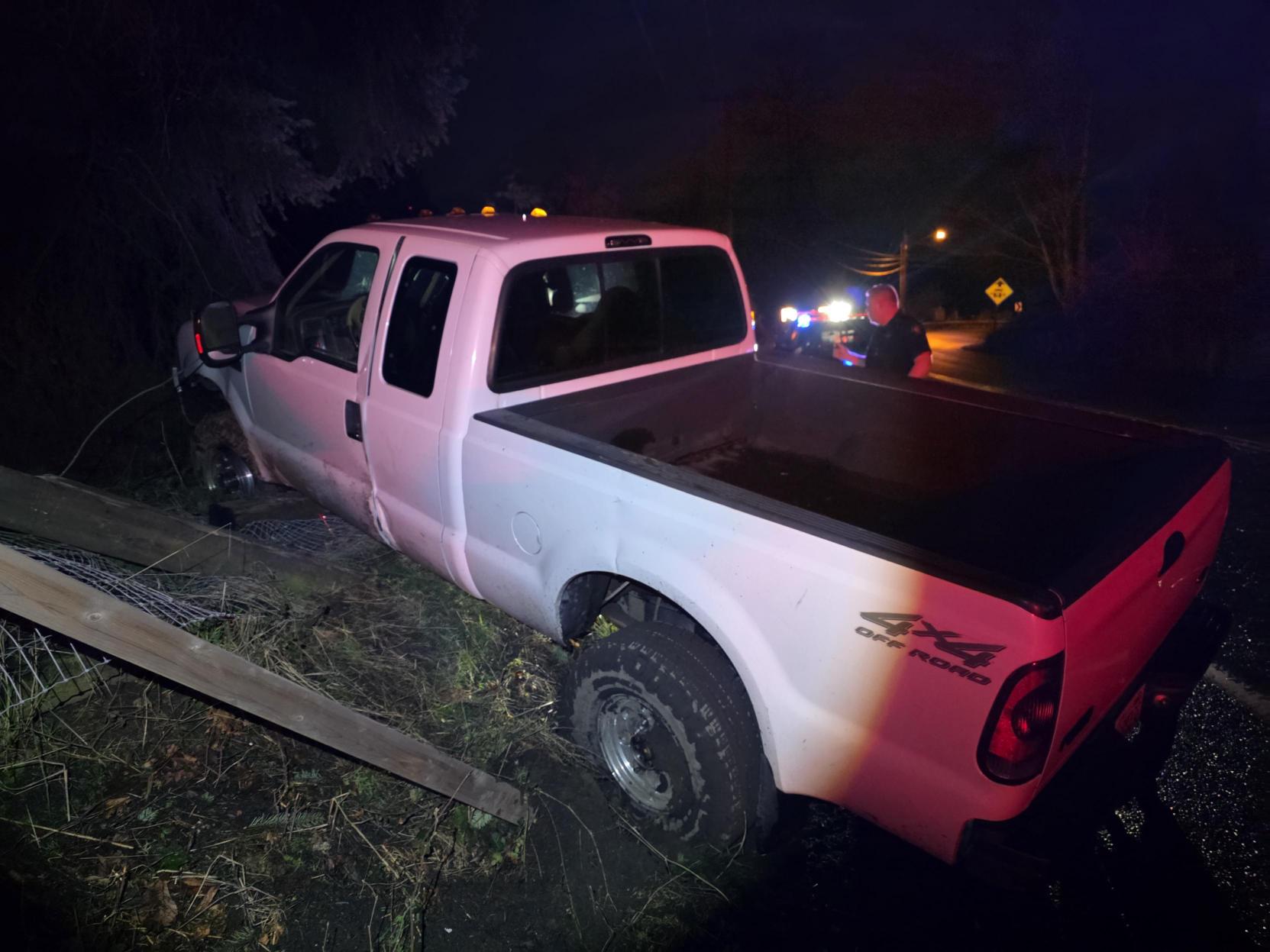
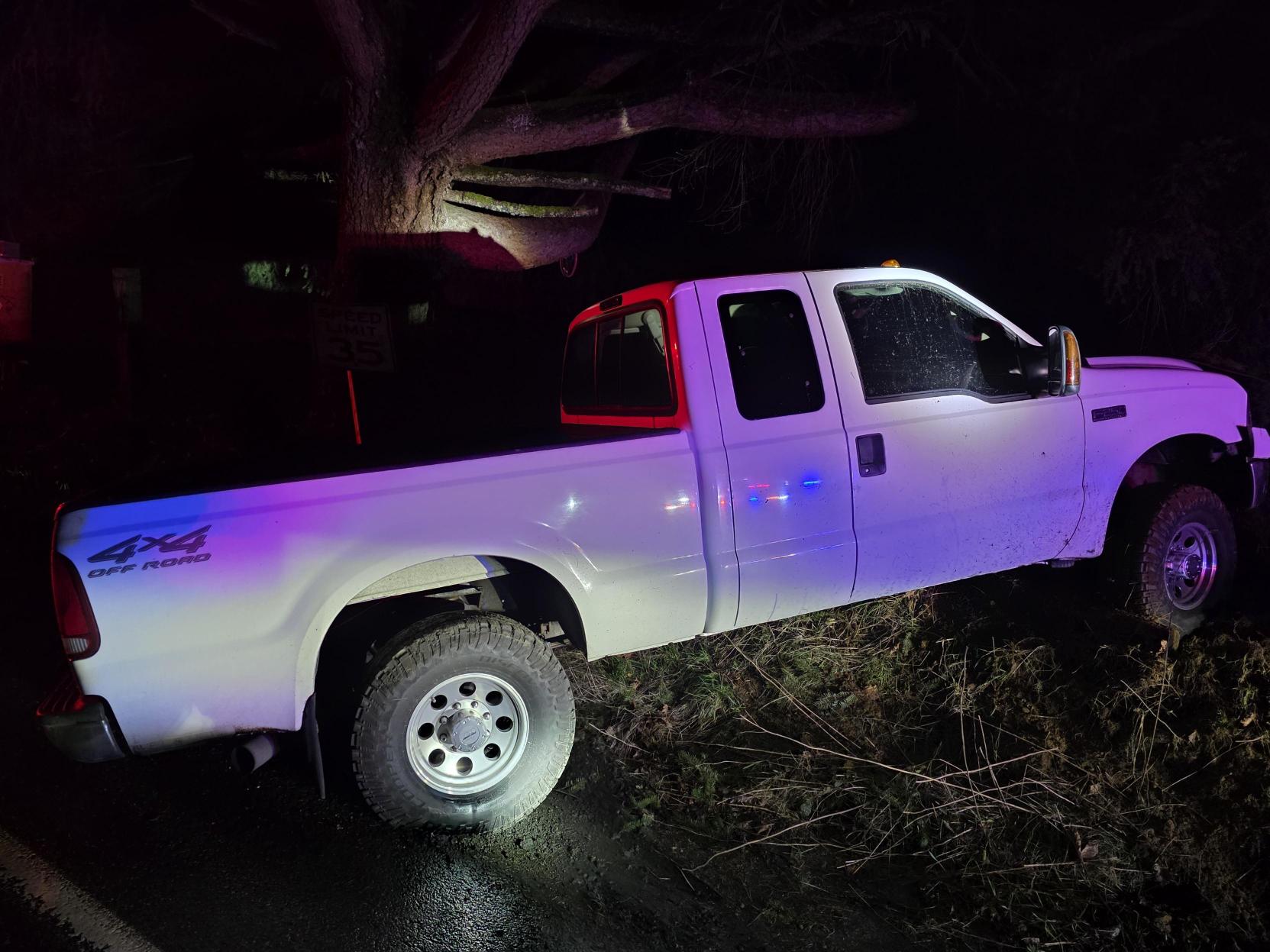
Once the truck was located, the operator positioned the tow vehicle for the safest possible recovery angle before lowering the bed and beginning a full assessment. The F-250 had crashed up a hillside and into a ditch, running over multiple street signs, scraping a tree, and narrowly missing a power box.
This kind of damage immediately raises red flags during vehicle recovery in Kent. Downed or damaged signage, compromised steering, uneven terrain, and nearby utilities all increase risk. Before any winching begins, operators must identify what could shift, roll, or fail under tension.
Stuck on the Post? Complicating Accident Recovery
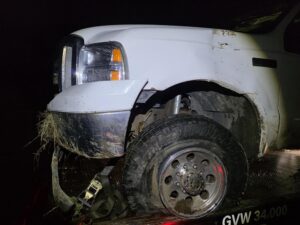 As the winching process began, the operator discovered a major complication: thick 4×4 signposts were jammed into the axle and wheel assembly, preventing the front wheels from steering. This meant the vehicle could not naturally align with the tow bed.
In accident recovery, experience makes the difference. Without proper adjustments, a vehicle in this condition can slide sideways, roll, or pull free of the winch line. The operator continuously adjusted the tow angles, bed position, and stop blocks while accounting for gravity. The truck was a manual transmission vehicle, and he didn’t want it to roll away!
Managing Gravity, Traffic, and Time
Recovering the truck took roughly 30 minutes of careful, controlled movement using skates, winch tension, and constant reassessment. Throughout the process, the operator’s focus remained on keeping the vehicle stable and preventing it from rolling as it was gradually worked onto the tow bed.
Once we were secure enough to move safely, we could clear the scene and let traffic flow again. Getting the road cleared for traffic is a key goal of efficient vehicle recovery in Kent, especially on busy or narrow routes.
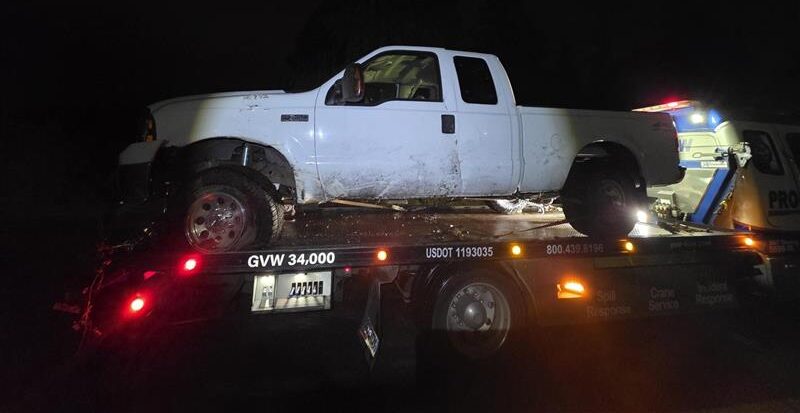
Vehicle Recovery: One-Size Never Fits All
This call highlights why accident recovery is never a one-size-fits-all service. Every scene brings unique challenges, from hidden mechanical damage to terrain hazards and traffic exposure. Professional recovery operators rely on training, situational awareness, and real-world experience to adapt safely in the moment.
If you need a vehicle recovered or towed in Washington State, call the Pro-Tow team.