Written by the Pro-Tow Team
Providing 24-hour roadside assistance and towing in Spokane, Washington
When tires are worn to the wires, they become a serious safety hazard. Those wires are the internal reinforcing cords, and tires in this condition pose a serious risk. They can cause dangerous tire blowouts, loss of control and severe vehicle damage. If you notice wires showing through the tread or sidewall, don’t ignore them or continue driving on the tire. Arrange a replacement as soon as possible to help protect yourself, your vehicle and others on the road.
Recently, Pro-tow by FleetEasy responded to a simple tire service call in Spokane. We offer on-site fleet services and roadside assistance to our commercial customers throughout eastern Washington. In this article, we’ll share what happened on this call, the warning signs you need new tires and what causes tires to wear prematurely.
Tires Worn to the Cord
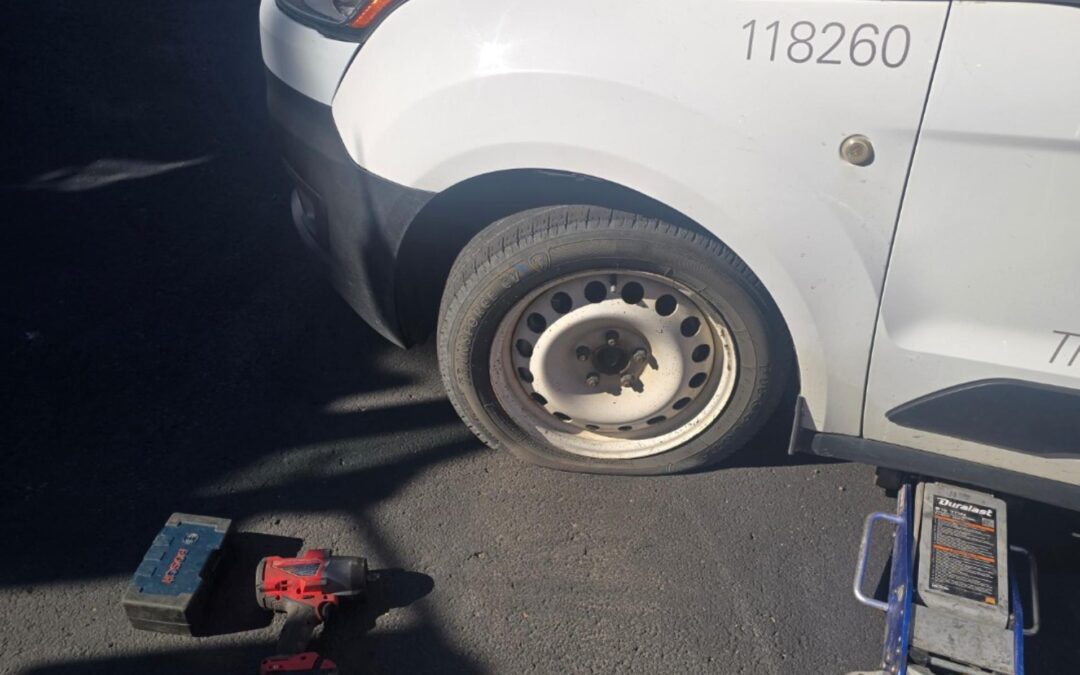
Our operator was dispatched to the customer’s yard to do a tire change on a Ford Transit delivery van. When they arrived, they noticed the tire in question was completely worn on the inside tread. It was so bad that the internal cords were exposed.
They checked the other tires and found the other front tire had the same issue. With steel showing and only one new tire available, it was clear that this Sprinter needed a tow in Spokane. With one call to FleetEasy dispatch and the customer’s manager was informed of the situation. They agreed it needed to be moved from the transit barn to their location on the other side of town. From there, the customer could take care of replacing the tires.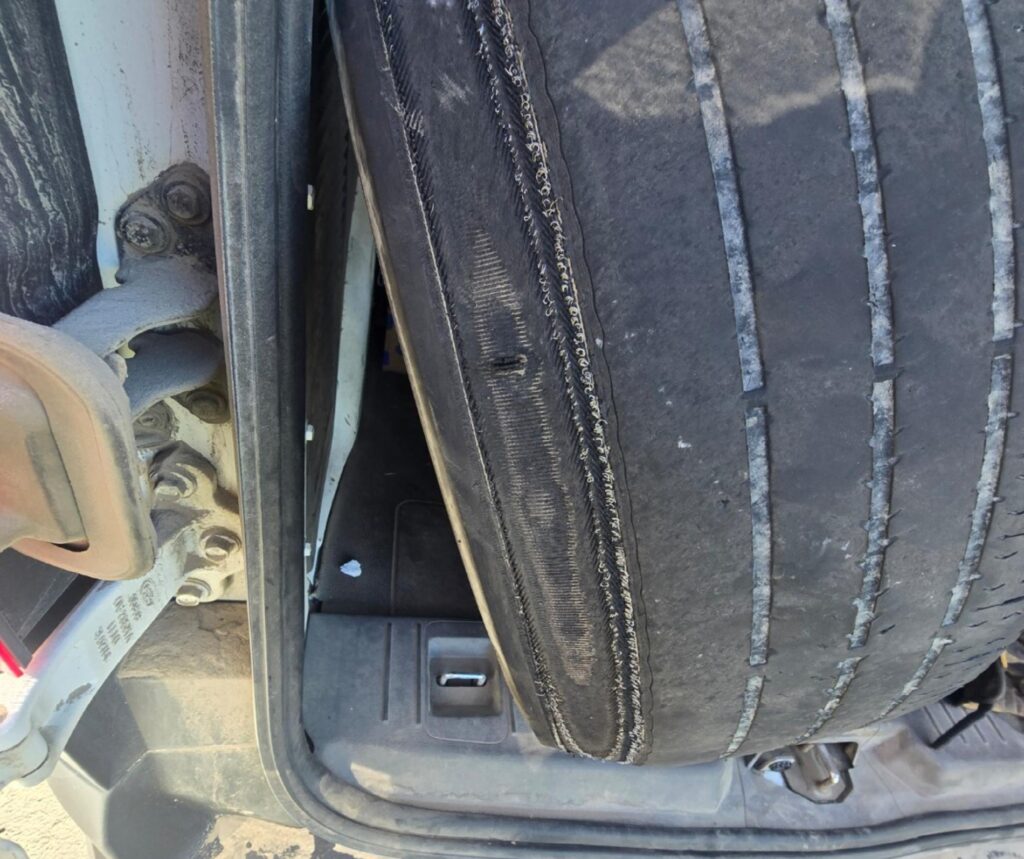
Warning Signs You Need New Tires
Your tires play an important role in keeping your vehicle safe and road-ready. Knowing when they need attention can help you avoid unexpected breakdowns and reduce the risk of tire failure on the road.
Here are a few warning signs to watch for:
Worn tread: If the tread is getting shallow or uneven, your tires may struggle to maintain traction, especially on wet or slippery roads. Check the tread regularly and replace tires when they reach the manufacturer’s or applicable legal wear limit.
Cracks, bulges or other visible damage: Cracks in the sidewall, bulges, cuts or exposed cords can indicate structural damage. These issues can increase the risk of a blowout and should be assessed promptly.
Frequent air pressure loss: If a tire repeatedly loses pressure, it could have a puncture, a damaged valve or another problem that needs attention.
Vibration or unusual handling: New vibrations, pulling to one side or changes in how a vehicle handles can point to tire damage, uneven wear or an alignment issue. Have the cause checked rather than assuming new tires are the only solution.
Tires that are aging: Tires can deteriorate over time, even when the tread still looks acceptable. Follow the tire manufacturer’s age and inspection recommendations, paying particular attention to vehicles that sit unused for extended periods.
If you notice any of these warning signs, have your tires inspected by a qualified professional. If a tire has a bulge, exposed cords or suspected structural damage, avoid driving on it until it has been assessed. For commercial vehicles, catching tire problems early can help reduce unplanned downtime and keep your fleet operating reliably.
What Causes Tires to Wear Faster?

Tires naturally wear as they travel, but certain conditions can shorten their service life. Understanding what contributes to premature wear can help drivers and fleet managers identify problems before they lead to costly repairs or unexpected roadside service.
Incorrect Tire Pressure
Underinflated tires can wear more heavily along the edges, while overinflated tires may wear more in the centre of the tread. Both conditions can affect handling and tire performance. Check pressure regularly and follow the vehicle or tire manufacturer’s recommendations.
Wheel Misalignment
Wheel alignment problems can cause tires to wear unevenly across the tread. If your vehicle pulls to one side or you notice unusual wear patterns, an alignment inspection may help identify the issue.
Worn Suspension and Steering Components
This can also contribute to uneven tire wear. Damaged or worn parts may affect how the tires contact the road, making regular vehicle inspections an important part of tire maintenance.
Heavy Loads and Driving Conditions
Heavy loads and demanding driving conditions can put additional stress on tires. Commercial vehicles that regularly carry heavy loads, travel long distances or operate on rough roads may experience faster wear. Staying within load limits and using tires suited to the vehicle and its working conditions can help.
Bad Driving Habits
Hard braking, rapid acceleration, sharp turns and frequent impacts with potholes or curbs can increase tire wear and damage. Smooth driving and attention to road conditions can help extend tire life.
Neglected Maintenance
Neglecting preventative maintenance can allow small problems to become bigger ones. Regular tire inspections, pressure checks, rotation where appropriate and timely attention to alignment or suspension issues can help tires wear more evenly and last longer.
Call Pro-Tow for 24-hour Roadside Assistance
If a tire is damaged or no longer serviceable, Pro-Tow can help with tire change service in the Spokane area when you’re dealing with a tire problem on the road. Contact the team to discuss your situation and available service options.